Dubai’s rapid redevelopment has made demolition a constant activity—but in 2026, it is no longer just about removing structures. It is a strictly regulated, environmentally controlled process aligned with sustainability goals set by Dubai Municipality.
Today, contractors and property owners must follow strict rules for waste segregation, recycling, and disposal—or face serious penalties.
Why Demolition Waste Management Matters in Dubai
Demolition generates large volumes of waste, including:
-
Concrete and masonry debris
-
Steel and metal structures
-
Wood, glass, and plastics
-
Electrical and mechanical components
Dubai’s strategy focuses on reducing landfill waste and maximizing recycling, making proper waste handling both a legal and financial requirement.
Dubai Municipality Waste Segregation Rules
Segregation is mandatory at the demolition site.
Requirements:
-
Waste must be separated before transport
-
Mixing materials is strictly prohibited
-
Each material must be handled individually
Standard categories:
-
Concrete and rubble
-
Metals (steel, aluminum, copper)
-
Wood
-
General waste
-
Hazardous materials (if present)
Failure to follow these rules can result in fines and rejection at disposal facilities.
Recycling Requirements for Demolition Projects
Dubai promotes recycling as part of its circular economy vision. In 2026, material recovery is a mandatory and pre-planned process.
Pre-Demolition Requirement: Recycling Report Submission
Before starting any demolition work, contractors must submit a recycling and material recovery report to Dubai Municipality.
The report must include:
-
Estimated steel quantity (in tons)
-
Expected concrete volume (in tons)
-
Quantity of tiles and masonry materials
-
Wood and timber waste
-
Plastic and other recyclable materials
Key Rule:
All quantities must be clearly defined in tons.
Approval Process
-
The Dubai Municipality inspection team reviews the report
-
They verify estimated quantities and feasibility
-
Demolition cannot start without approval
This ensures that every project has a clear recycling plan before execution.
Commonly Recycled Materials
-
Steel reinforcement bars and structural steel
-
Aluminum frames, windows, and doors
-
Clean concrete (crushed into aggregates)
-
Wood for reuse or biomass
-
Electrical metals such as copper wiring
Real Project Example: Al Quoz Warehouse (February 2026)
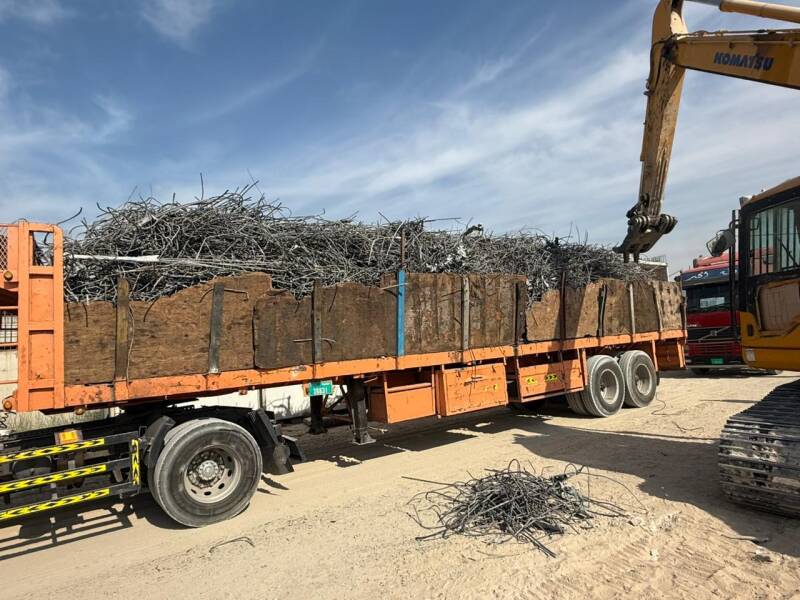
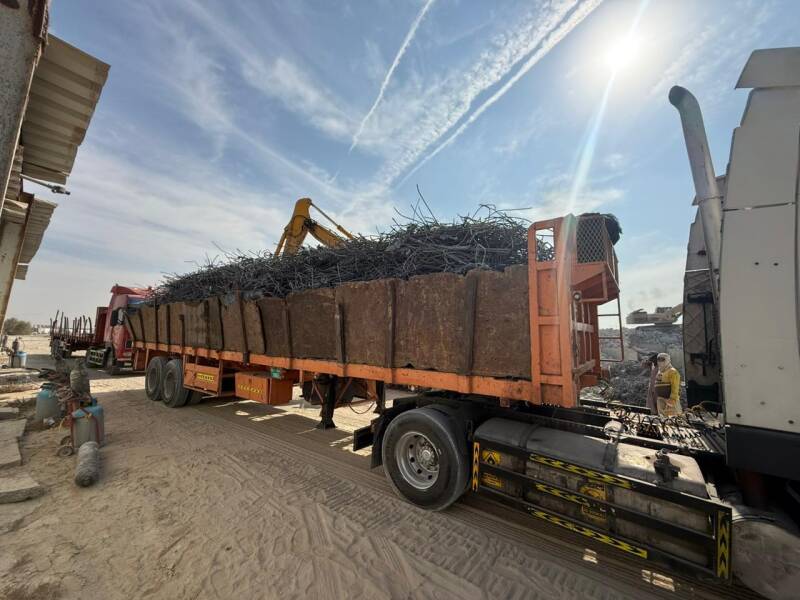
On a full warehouse demolition project in Al Quoz, Al Zelzal Demolition Works followed full compliance—from report submission to final recycling execution.
👉 Service area:
https://www.zelzaldemolition.com/services-area/demolition-al-qouz-dubai
Project Results:
-
58 tons of structural steel recovered
-
AED 35,000 worth of copper cables extracted
-
Materials processed at approved facilities
-
Client received AED 25,000 back after transport costs
This proves that recycling is not just environmental—it directly reduces demolition cost.
👉 Read full guide:
https://www.zelzaldemolition.com/salvage-recycling-demolition-cost-dubai-2026
What Happens to Recycled Materials?
Recovered materials are reused in various industries:
-
Concrete → crushed for road base and infrastructure
-
Metals → reused through industrial smelting
-
Timber → repurposed or processed into chips
Recycling is now a core part of demolition economics in Dubai.
Transportation & Disposal Compliance
After segregation, waste must be transported under strict rules:
-
Use licensed transport vehicles
-
Trucks must be covered
-
Disposal only at approved facilities
-
Maintain documentation (weight slips, records)
Penalties for Non-Compliance
Dubai enforces strict environmental laws.
Violations include:
-
Illegal dumping
-
Mixing waste
-
Using unlicensed contractors
-
Improper disposal
Penalties:
-
Heavy fines
-
Project suspension
-
Equipment confiscation
-
Legal action
Sustainable Demolition Practices in Dubai
Modern demolition is focused on sustainability.
Key practices:
-
Selective demolition
-
Pre-demolition salvage planning
-
Dust and pollution control
-
Waste reduction strategies
Role of Contractors in Compliance
Licensed contractors are responsible for full compliance.
Responsibilities:
-
On-site segregation
-
Coordination with recycling facilities
-
Legal transport of waste
-
Documentation for inspections
-
Following all municipality regulations
👉 Learn more:
https://www.zelzaldemolition.com/3100249_top-demolition-companies-in-dubai-2026-how-to-choose-the-right-contractor
👉 Technical reference:
https://www.zelzaldemolition.com/3036324_warehouse-demolition-method-statement-dubai-full-foundation-demolition
Why Proof Matters: Al Quoz Case Study
On the February 2026 project, proper documentation included:
-
Daily segregation photos
-
Weight slips for 58 tons of steel
-
Completion certificate
-
AED 25,000 returned to the client
Key Takeaway
In Dubai, demolition starts with planning and approval—not machines.
A reliable contractor will:
-
Submit recycling reports
-
Provide documentation
-
Ensure compliance
-
Maximize salvage value
Tip: Always ask for recent weight slips and proof of recycling before hiring.
FAQs – Demolition Waste Disposal in Dubai
1. Is recycling mandatory before demolition starts in Dubai?
Yes. Contractors must submit a recycling report to Dubai Municipality before starting demolition.
2. What should be included in the recycling report?
The report must include estimated quantities of steel, concrete, tiles, wood, and plastic—all measured in tons.
3. Can demolition start without approval?
No. Work cannot begin until the recycling report is reviewed and approved.
4. Does recycling reduce demolition costs?
Yes. Salvaged materials like steel and copper can significantly offset project costs.
5. What proof should a contractor provide?
-
Weight slips
-
Disposal records
-
Completion certificates
-
Site documentation
6. What happens if rules are violated?
Violations can result in fines, project suspension, and legal action.
Conclusion
In 2026, demolition waste disposal in Dubai is a highly regulated and sustainability-driven process.
From mandatory recycling reports to strict segregation rules and heavy penalties, compliance is essential.
Done correctly, demolition becomes:
-
Cost-efficient
-
Fully compliant
-
Environmentally responsible
Dubai is not just demolishing buildings—it is recycling them into the future.
Add comment
Comments